
Choosing Energy Efficient Heating for Home: 2026 Guide
Table of Contents
- Energy Efficient Heating for Home: The Core Options
- Heat Pump vs Gas Boiler: How They Actually Differ
- Air Source Heat Pump Running Costs Explained
- The Best Heating System for an Older Home
- How to Reduce Heating Bills Without a Full Replacement
- Installation, Servicing and What to Expect
- What to Ignore When Comparing Systems
- Conclusion
- Frequently Asked Questions
Last Updated: October 21, 2026
Energy Efficient Heating for Home: The Core Options
Choosing energy efficient heating for home starts with three families of system: gas and oil boilers, heat pumps, and electric or storage heating. Each suits a different property, budget and lifestyle, and no single option wins everywhere. At B&G Jenkins, we fit Worcester boilers and heat pumps across Wiltshire homes, and the honest answer is that the right system depends on your building fabric, your existing pipework and how long you plan to stay.
A common mistake is buying on headline efficiency alone. A boiler running at peak rated efficiency in a poorly insulated house still costs more to run than a modest system in a well-sealed one. Fabric first, system second.
Gas and Oil Boilers
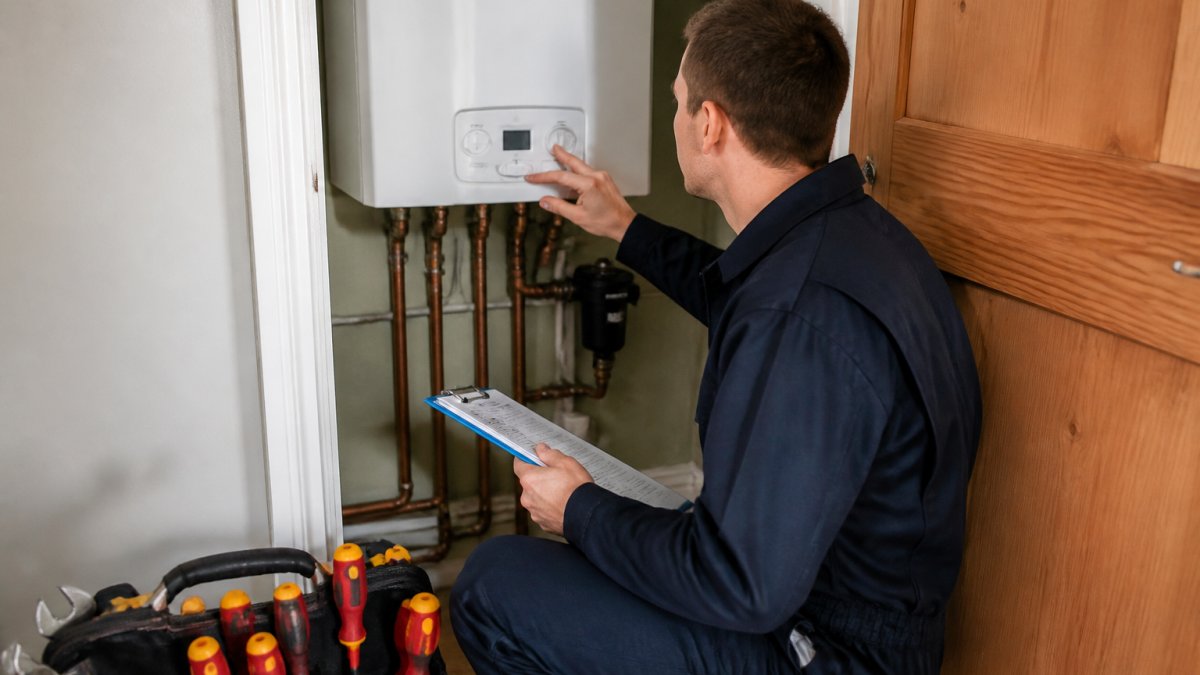
A gas boiler is a sealed combustion appliance that heats water for radiators and taps, and modern condensing models recover heat that older boilers waste up the flue. Gas remains the default where a mains supply exists; oil suits off-grid properties. Both are familiar to service and repair, which matters when something fails in January.
Heat Pumps
A heat pump is a refrigeration circuit run in reverse: it moves ambient heat from air or ground into your home rather than generating heat by burning fuel. Air source units are the common choice for retrofit. They run at lower flow temperatures, so radiator sizing and insulation quality matter more than with a boiler.
Electric and Storage Heating
Electric panel heaters and storage heaters suit flats, small homes and well-insulated rooms without gas. Running costs are higher per unit of heat, so they work best where demand is low or where off-peak tariffs can be used.
System | Best For | Watch Out For |
|---|---|---|
Gas boiler | Mains gas homes, fast response | Needs annual servicing and a flue |
Heat pump | Well-insulated homes, long-term running costs | Radiator upgrades often required |
Electric/storage | Flats, small or off-gas homes | Higher running cost per kWh |
Heat Pump vs Gas Boiler: How They Actually Differ
The heat pump vs gas boiler decision comes down to how each makes heat. A boiler burns fuel at high temperature; a heat pump moves existing heat at lower temperature and works harder in cold snaps. That single difference drives everything else: radiator size, insulation needs and running cost profile.
What most guides miss is that a heat pump is not a drop-in swap. It is a system design exercise. If your radiators were sized for a boiler running hot, they will likely need upsizing to deliver the same comfort at lower flow temperatures. Get that right and the system performs; skip it and the customer blames the technology.
Air Source Heat Pump Running Costs Explained
Air source heat pump running costs depend on three variables: your home's heat loss, the efficiency of the unit at real outdoor temperatures, and the tariff you buy electricity on. A well-matched system in an insulated home can run cheaper than a boiler over a year; a poorly matched one can cost more.
We would not quote a running cost figure without a heat loss calculation, because the honest range is too wide to guess. Ask for the design flow temperature, the expected seasonal performance and the assumptions behind it. If a quote cannot show those, it is a price, not a proposal.
The Best Heating System for an Older Home
The best heating system for an older home is usually not the newest technology, it is the one that matches the building. Victorian terraces and solid-wall cottages leak heat in ways modern homes do not, and that changes the calculation entirely.
For most older properties with a gas supply, a correctly sized condensing boiler plus fabric improvements delivers the best balance of comfort and cost. Where insulation and radiator upgrades are planned, a heat pump becomes viable. Do not let anyone talk you into a system your building cannot support.
How to Reduce Heating Bills Without a Full Replacement
You can cut heating bills without replacing the system at all. The cheapest wins come first: draught-proofing, loft and cavity insulation, smart controls with zoning, and balancing radiators so every room heats evenly.
- Draught-proof windows, doors and skirting
- Top up loft insulation to current recommended depth
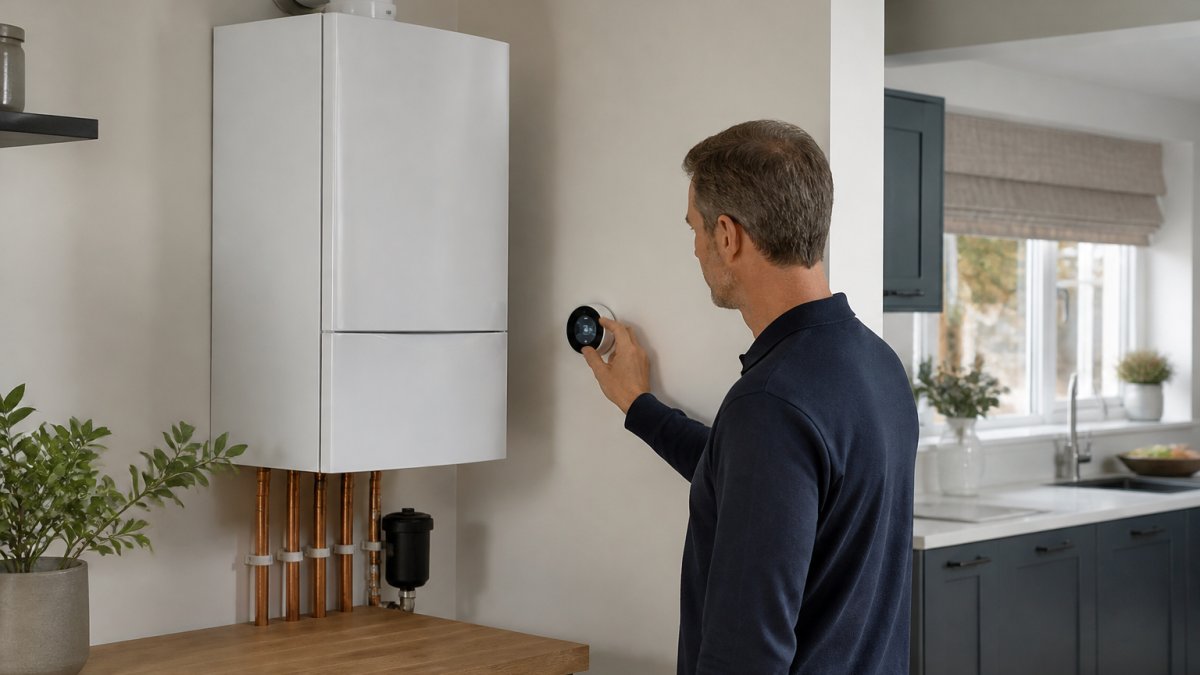
- Fit thermostatic radiator valves and a programmable thermostat
- Bleed radiators and balance the system
- Service the boiler annually to keep it running efficiently
These steps cost far less than a new system and often make the existing one perform noticeably better. Many households find the combination of controls and insulation changes the whole picture.
Installation, Servicing and What to Expect
Installation quality decides whether an efficient system actually performs. A boiler swap is typically a day's work; a heat pump retrofit runs longer because it involves a heat loss survey, radiator changes and commissioning. Ask for a written scope before work starts.
Servicing matters for both. Gas boilers need an annual service to stay safe and efficient. Heat pumps need less frequent attention but benefit from a check of refrigerant pressures and controls. For guidance on what a service should cover, see the gas safety guidance from the Health and Safety Executive.
What to Ignore When Comparing Systems
Ignore headline efficiency percentages in isolation, ignore any quote that skips a heat loss survey, and ignore pressure to sign a long servicing contract you did not ask for. Also ignore anyone who will not put the scope in writing.
What to compare instead:
- Design flow temperature and expected performance
- Radiator and pipework changes included
- Warranty terms and who honours them
- Servicing costs and contract length
At B&G Jenkins, we have fitted heating systems since 1967, and our instant online quote tool gives indicative pricing for recommended boilers in under two minutes, with free, no-obligation estimates to follow. That means you can see whether a system is within budget before anyone visits.
Conclusion
The real challenge is not picking a technology, it is matching a system to your building and getting the design right. That is where most projects succeed or fail. B&G Jenkins offers expert guidance on heating and cooling options, indicative pricing through our online quote tool, and free, no-obligation estimates, backed by decades of Worcester boiler and heat pump experience. Get an Instant Quote and see what a properly specified system looks like for your home.
Frequently Asked Questions
What is the most energy-efficient way to heat a home?
Air source heat pumps are generally the most energy-efficient option, converting each unit of electricity into roughly three units of heat in well-insulated homes. Gas boilers, even modern condensing models, top out around 90% efficiency. The catch is that a heat pump's advantage depends on insulation, radiator sizing and how the system is set up. In a draughty period property, a well-sized condensing boiler can be the more practical choice. The right answer depends on your property, not a single efficiency figure.
Are heat pumps more efficient than gas boilers?
On paper, yes. A heat pump moves heat rather than burning fuel, so it can deliver three or more units of heat per unit of electricity. A gas boiler converts about 90% of the fuel it burns into heat. The comparison that matters is cost per kWh of heat delivered, which depends on the price gap between electricity and gas. Running costs can favour a heat pump in a well-insulated home, but not always in a poorly insulated one. Efficiency and running cost are not the same thing.
Is a heat pump suitable for an older home?
Often, but it depends on the property. Older homes with solid walls, single glazing and undersized radiators may need insulation upgrades and larger radiators before a heat pump works well. Victorian terraces can work with a heat pump when the system is designed around the building's heat loss. A proper assessment matters more than the age of the property. Ask for a room-by-room heat loss calculation rather than a rough estimate.
Can I keep my existing radiators when installing a heat pump?
Sometimes. Heat pumps run at lower flow temperatures than gas boilers, so radiators need to be large enough to heat each room at that lower temperature. Some existing radiators will be fine, particularly in well-insulated rooms. Others will need upsizing. A heat loss survey will confirm which radiators can stay and which need replacing. Keeping most of your existing radiators is common, but expecting to keep all of them is where homeowners get caught out.
How do I reduce heating bills without replacing my whole system?
Start with the controls and the building fabric. Fit a programmer and thermostatic radiator valves if you do not have them, set the flow temperature on a condensing boiler lower, and draught-proof windows and doors. Loft insulation to 270mm and cavity wall insulation pay back faster than most heating upgrades. Bleed radiators annually and keep the boiler serviced. These steps cost far less than a new system and can cut bills noticeably before you spend on hardware.
What should I consider before replacing my home heating system?
Get a heat loss assessment first, then compare systems against your property rather than against marketing claims. Check what grants or low-interest loans you qualify for, confirm the installer's qualifications and warranty terms, and ask whether servicing is optional or tied into a contract. Get an itemised quote so you can see what is included. Finally, ask how long the installer expects the system to last and what happens if something fails in year two.
The challenge with energy efficient heating is that the right answer depends entirely on your property, and guessing costs money. B&G Jenkins provides expert guidance on heating and cooling options, indicative pricing for recommended boilers through our instant online quote tool, and free, no-obligation estimates. Get started with B&G Jenkins and get an Instant Quote in under two minutes.

