
5 Things That Decide the Cost of Home Air Conditioning
Last Updated: 4 November 2026
Quick Summary
The cost of home air conditioning is decided by five things: system type, number of rooms served, property condition, equipment efficiency, and installation complexity. System type is the biggest single lever, with portable units cheapest upfront and ducted systems the most expensive. For a figure that reflects your home, contact our team for a free, no-obligation estimate.
- Portable air conditioners cost least upfront but have the highest running costs per room.
- A multi-split serving three or four rooms means longer pipe runs and more cable routing.
- Inverter technology costs more upfront and less to run.
- Setting the thermostat a degree or two higher in summer reduces consumption without hurting comfort.
- Units installed without proper condensate drainage can leak into walls and ceilings.
Table of Contents
- What Drives the Cost of Home Air Conditioning
- Air Conditioning Installation Cost: What You Are Paying For
- Home Air Conditioning Running Costs and Air Conditioning Servicing Cost
- Frequently Asked Questions
What Drives the Cost of Home Air Conditioning
The cost of home air conditioning is decided by five things: system type, number of rooms served, property condition, equipment efficiency, and installation complexity. At B&G Jenkins, we have been installing heating and cooling systems since 1967, and the pattern is remarkably consistent.
System type is the biggest single lever. A portable air conditioner costs far less upfront than a fixed split system, but it cools one room badly and eats electricity. Wall-mounted splits, multi-splits and ducted air conditioning sit at increasing levels of cost and comfort, and cooling capacity in kilowatts, matched to room size, determines the unit you need.
Property condition matters. Retrofitting a solid-walled period property is a different job from a modern new build, cable routes, condensate drainage and condenser siting all affect labour time.
Efficiency and refrigerant choice affect both price and running costs. Inverter technology costs more upfront and less to run. A qualified engineer with F-gas certification is a legal requirement for handling refrigerant. The cheapest quote often excludes commissioning, drainage work or the electrical supply, ask what is excluded.
Air Conditioning Installation Cost: What You Are Paying For
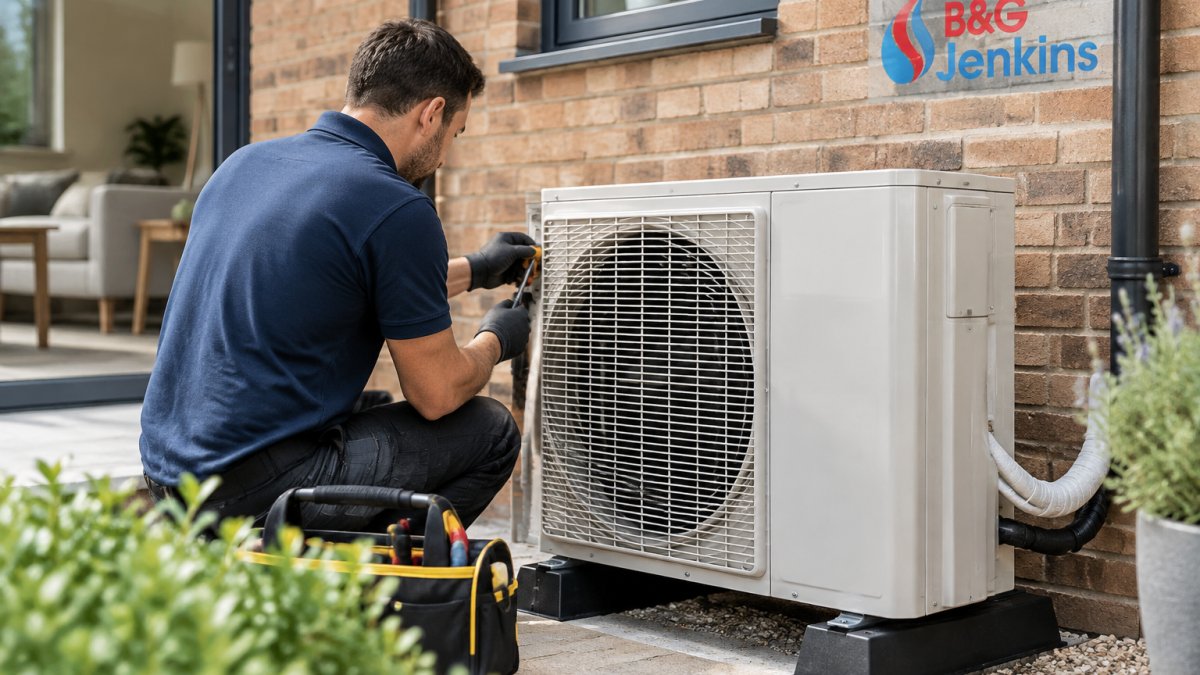
Air conditioning installation cost breaks down into equipment, labour, electrical work and commissioning. Equipment covers the evaporator inside, the condenser outside and the compressor driving the refrigerant circuit; labour covers the survey, mounting, pipework and making good.
Single-room versus multi-room changes the shape of the job entirely. One wall-mounted unit in a bedroom is a straightforward day's work; a multi-split serving three or four rooms means longer pipe runs and more time on cable routing and drainage. Ducted air conditioning is a bigger project again, best planned alongside a renovation.
For a figure that reflects your home, we recommend contacting our team for a free, no-obligation estimate. Our guide on how to plan home air conditioning installation walks through the decisions in order, and our online quote tool gives an indicative figure without a visit.
Portable versus fixed is the first real decision. A portable air conditioner needs no installation and suits a single room for occasional use. Fixed systems cost more upfront, look better, run quieter and cool properly, for most homeowners planning to stay put, fixed wins on comfort and running costs. For a fixed system, choosing the right air conditioner means weighing the room it needs to cool against the comfort and running costs you expect over time.
| Factor | Portable Unit | Fixed Split System | Ducted System |
|---|---|---|---|
| Upfront cost | Lowest | Mid | Highest |
| Rooms served | One | One to several | Whole home |
| Noise | Noticeable | Quiet | Quietest |
| Running costs | Highest per room | Moderate | Efficient at scale |
| Installation needed | None | Yes | Yes, major works |
| Best for | Occasional single-room use | Most homes | Renovations and new builds |
Home Air Conditioning Running Costs and Air Conditioning Servicing Cost
Home air conditioning running costs depend on how efficiently the unit converts electricity into cooling, how well it is maintained, and how you use it. Setting the thermostat a degree or two higher in summer, and using dehumidification mode on humid days, both reduce consumption without hurting comfort.
Servicing is an important part of ownership. Air conditioning servicing typically covers cleaning filters and coils, checking refrigerant pressure, testing drainage and confirming safe operation. Clogged filters and dirty coils force the compressor to work harder, raising bills and shortening the unit's life. Our residential air conditioning maintenance tips cover the checks you can do yourself between services.
Noise levels matter more than the brochure suggests. Outdoor condensers are rated in decibels, and siting one near a boundary or a neighbour's window affects how acceptable it is in practice. If quiet operation matters, ask for the decibel rating of the specific model.
Smart controls and heat pump mode are worth considering. Many modern systems integrate with smart home controls, letting you schedule cooling and monitor usage from a phone, and some run in heat pump mode for efficient heating in the shoulder months. Our heat pump installation service covers the options, and our Worcester Bosch boiler installation team can advise on how heating and cooling fit together.
Watch out: units installed without proper condensate drainage can leak into walls and ceilings, a small detail on the quote and an expensive one to fix later.
Frequently Asked Questions
How much does it cost to install air conditioning in a home?
Installation pricing depends on the number of rooms, the system type (single split, multi-split or ducted), pipe runs and whether the property is a new build or retrofit. The quickest way to get a realistic figure is to use our online quote tool or ask us for a free, no-obligation estimate.
Is a fixed air conditioning system cheaper to run than a portable unit?
In most cases, yes. Fixed systems use inverter technology and a properly sized compressor, so they cool a room more efficiently than a portable unit. Portable air conditioners exhaust warm air through a window, which lets heat back in and reduces efficiency. A fixed system also dehumidifies more evenly and runs at lower noise levels, which matters in bedrooms and living rooms.
Do I need planning permission to install air conditioning?
Many domestic installations fall under permitted development, but there are limits on size, position and noise. If you live in a listed building or conservation area, or the outdoor unit would sit close to a boundary, you may need consent.
The five factors above decide most of the number, and the rest comes down to getting the survey and the specification right the first time. If you want a clear picture of what air conditioning would involve in your home, B&G Jenkins offers a free, no-obligation survey, expert guidance on the right system for your rooms and property, and an instant online quote process that takes under two minutes. Get started with B&G Jenkins and get an indicative price before you commit to anything.


