Signs Your Boiler Needs Replacing and When to Act
Last Updated: 19 November 2026
Quick Summary
The signs your boiler needs replacing include two or more repairs in a year, rising gas bills, unusual noises, leaks and constant pressure loss. An older boiler with repeat faults and climbing repair costs is rarely worth fixing. A yellow or orange flame or a gas smell means stop using the boiler and call a registered engineer.
- A healthy gas flame burns blue; yellow or orange can signal incomplete burning.
- Two or more repairs in a year usually means the boiler is on its way out.
- Ask whether the boiler is over 10 to 12 years old and if parts are still available.
- Annual servicing catches small faults before they grow and helps a boiler last longer.
- Hard water causes limescale, which shortens boiler life.
Table of Contents
- Warning Signs Your Boiler Needs Replacing
- Boiler Repair or Replacement: Making the Decision
- How Long Does a Boiler Last and What Affects Its Lifespan
- Frequently Asked Questions
Warning Signs Your Boiler Needs Replacing
Spotting the signs your boiler needs replacing early saves money, heat and hassle. At B&G Jenkins, we have been helping homeowners with their heating since 1967.
- Frequent breakdowns. Two or more repairs in a year usually means the boiler is on its way out.
- Rising gas bills. A boiler that has lost efficiency burns more gas for the same heat.
- Unusual noises. Banging, kettling or gurgling often points to limescale or trapped air.
- Strange smells. A musty or metallic smell needs checking. A gas smell means leave the property and call the gas emergency line.
- A yellow or orange flame. A healthy gas flame burns blue. Yellow or orange can signal incomplete burning, so stop using the boiler and call a registered engineer.
- Water leaks. Puddles under the boiler or corroded pipework are a clear warning.
- Slow heat-up and uneven heating. Cold radiators upstairs or hot water that never quite gets there suggest a struggling system.
- Boiler age. Boilers generally have a working life of several years, and repairs can become more frequent as a system ages.
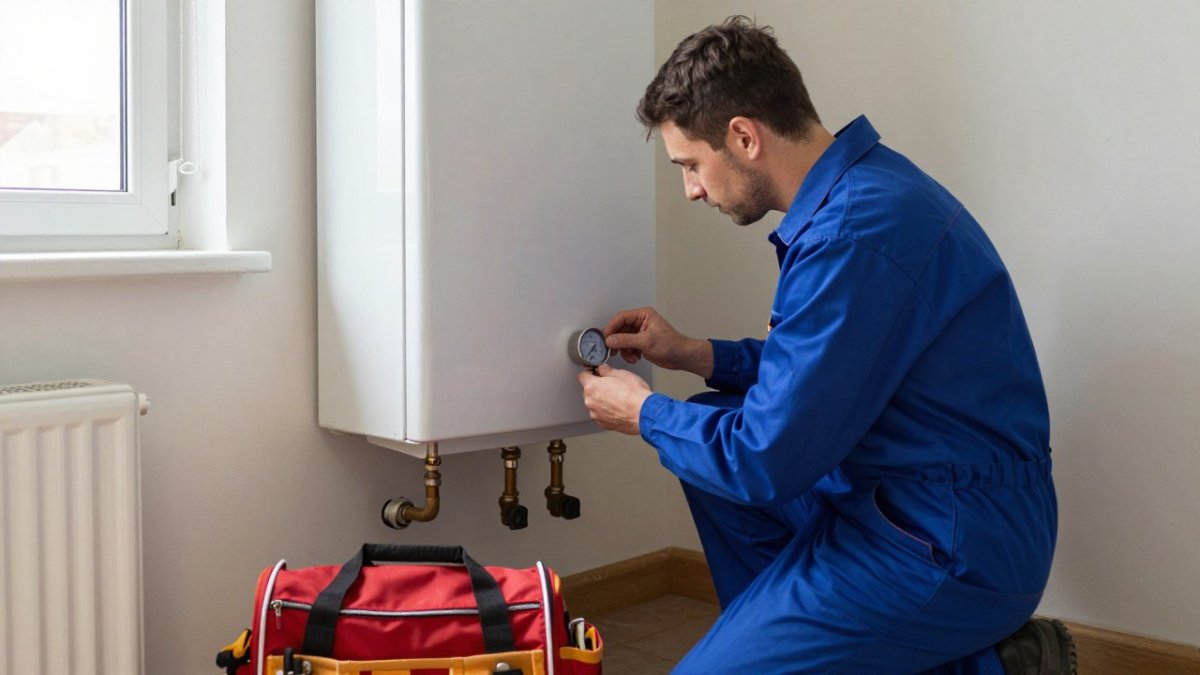
- The boiler keeps losing pressure. Constant topping up points to a leak or a failing component.
- Repair costs creeping up. When repairs rival the value of the boiler, replacement makes more sense.
If any of these sound familiar, our heating and boiler advice hub is a good next read.
Here are the warning signs we tell homeowners to watch for, and what each one usually means.
| Warning sign | What it can mean |
|---|---|
| Two or more repairs in a year | Boiler is on its way out |
| Rising gas bills | Boiler has lost efficiency |
| Banging, kettling or gurgling | Limescale or trapped air |
| Musty or metallic smell | Needs checking by an engineer |
| Yellow or orange flame | Incomplete burning; stop using and call an engineer |
| Water leaks or corroded pipework | Clear warning of trouble |
| Slow heat-up and uneven heating | Struggling system |
| Constant pressure loss | Leak or failing component |
Boiler Repair or Replacement: Making the Decision
Boiler repair or replacement comes down to three things: age, repair history and how much you are spending to keep it alive. A young boiler with one fault is usually worth fixing. An older boiler with repeat faults and rising bills rarely is. When age, repeat faults and rising bills all point the same way, it may be time to decide whether you need a new boiler.
- Is the boiler over 10 to 12 years old?
- Have you called an engineer out more than once this year?
- Are parts still available for your model?
- Is the boiler losing pressure or leaking?
- Would a new boiler cut your running costs?
Several "yes" answers can point towards replacement. If you are unsure, our guide on what to do when your heating fails walks through the first steps, and our breakdown of which boiler type suits your home helps if replacement looks likely.
Watch out: never keep patching up a boiler that has a yellow flame, a gas smell or repeated pressure loss. Those are safety issues, not just inconvenience.
How Long Does a Boiler Last and What Affects Its Lifespan
A well-maintained boiler can last for many years. Efficiency can drop and repairs can become more frequent as it ages.
- Annual servicing. A yearly service catches small faults before they grow.
- Water quality. Hard water causes limescale, which shortens boiler life.
- Usage. A boiler running flat out all winter wears faster.
- Installation quality. A correctly sized, well-fitted boiler lasts longer.
- Parts availability. Older models become costly to repair.
If your boiler is nearing the end of its life, plan ahead rather than waiting for a breakdown. Our guide on how long boiler installation takes helps you plan the switch, and our aftercare and maintenance guide shows how to get the most years from a new boiler.
At B&G Jenkins, we specialise in Worcester boilers, and you can use our online quote tool to get an indicative price before committing to anything. If the cost of a new boiler is the sticking point, our Boiler Finance information may help, and when you are ready to go ahead, you can find out more about Worcester Bosch Boiler Installation to suit your home.
Wondering whether your boiler has had its day? Our team can talk you through the options, from a straightforward repair to a full Worcester Bosch replacement, with finance available if it helps spread the cost. Get started with B&G Jenkins and request your instant boiler quote today.
Frequently Asked Questions
How do I know if my boiler needs replacing?
Look for a cluster of warning signs rather than one. Frequent breakdowns, rising gas bills, unusual noises like kettling, yellow or orange flames, leaks and inconsistent hot water all point towards a boiler nearing the end of its life. If your boiler is getting older and repairs are becoming more frequent, a boiler replacement may be the more sensible route. An annual service gives an engineer the chance to assess the condition properly.
Is it better to repair or replace an old boiler?
It depends on the boiler's age, condition and the cost of the fault. A single repair on a well-maintained, younger boiler is often worth doing. If the boiler is older, parts are hard to source, or you have had several repairs in a short period, replacement can work out more economical over time. Ask your heating engineer for an honest comparison of both options before deciding.
Why does my boiler keep losing pressure?
Pressure loss usually points to a leak somewhere in the system, a faulty pressure relief valve, or trapped air after recent work. Topping the boiler up occasionally is normal, but if you are re-pressurising every few weeks, something needs investigating. A heating engineer can trace the cause and tell you whether it is a straightforward repair or a sign the boiler is failing.